Ep 250: New Year, New Revenue: Marketing & Branding Strategies Every Business Owner Needs in 2026






What if the biggest financial move you make in 2026 isn’t a Roth conversion or an investment pick—but fixing your marketing?
In the first episode of 2026, Certified Financial Planner™ David Chudyk sits down with marketing strategist Katie Brinkley to unpack practical, non-cringey marketing strategies that business owners can implement right now—without dancing on TikTok or posting 42 times a week.
This conversation is packed with real-world marketing advice, especially for Main Street businesses, professional service firms, and business owners who want more revenue without more chaos.
🧠 What You’ll Learn in This Episode
✔️ The real difference between marketing vs. sales (and why confusing them hurts revenue)
✔️ Why posting less—with intention—often leads to better results
✔️ How to market without being “goofy,” awkward, or inauthentic
✔️ What “going viral” actually means for a small business
✔️ Why podcasts are one of the best lead-generation tools available today
✔️ How to use email marketing (the most overlooked asset) effectively
✔️ Non-social-media marketing strategies that still work in 2026
✔️ How consistency—not perfection—wins the marketing game
⏱️ Key Topics & Highlights
- Why your business is your greatest wealth-building tool
- The shift toward personal branding after COVID
- How to choose marketing strategies that match your personality
- Lunch-and-learns, workshops, and relationship-based marketing
- Why algorithms shouldn’t control your entire growth plan
- Repurposing content the smart way (without burning out)
🎯 BONUS CONTENT
Your brand isn’t what you say it is—it’s what other people perceive.
Ask yourself:
- What do your clients think you do?
- What does your community say about you?
- Would your competitors describe you the same way you do?
If those answers don’t align with your goals, it may be time to refine—or rebrand—your message.
👩💼 About Our Guest: Katie Brinkley
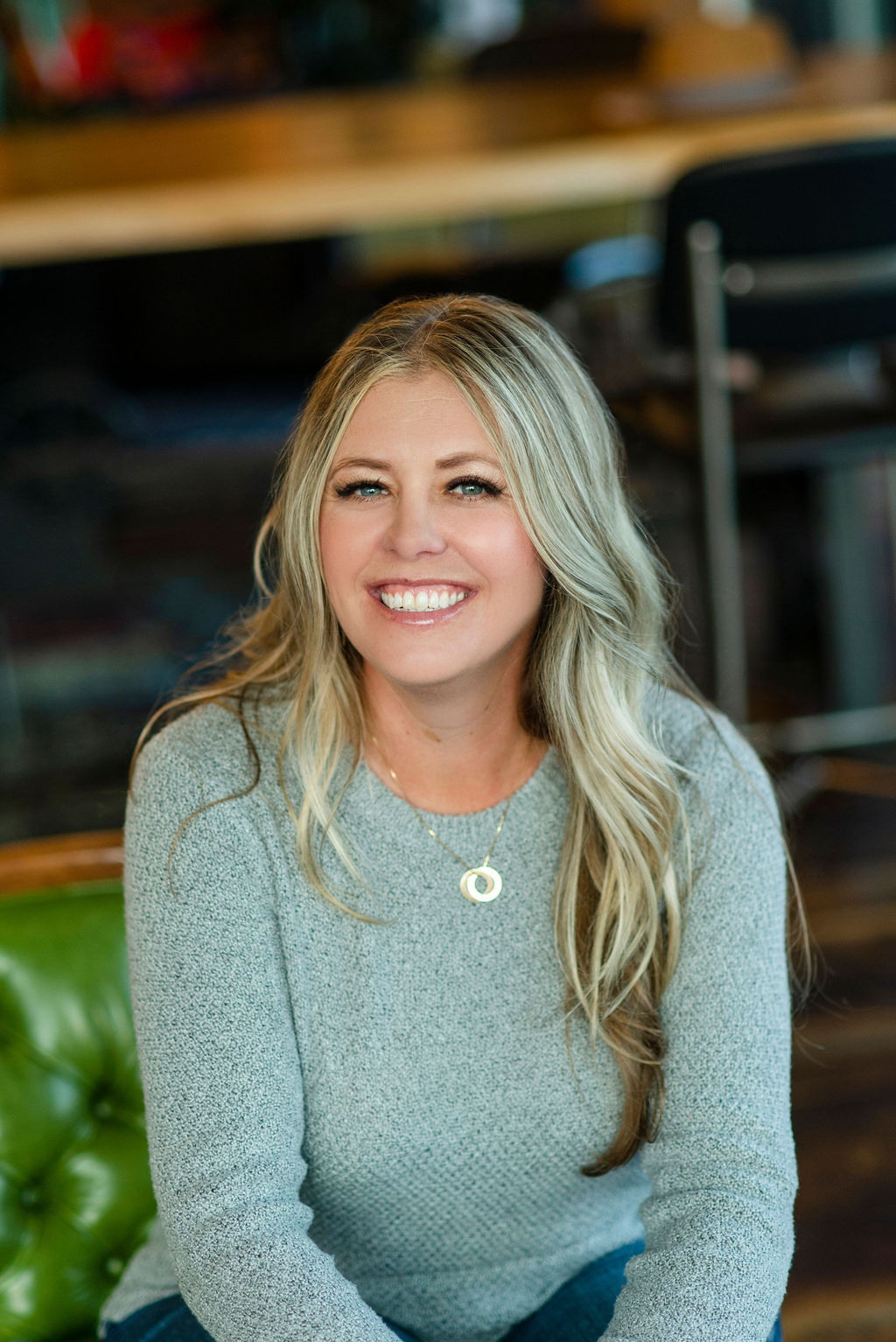
Katie Brinkley is a marketing strategist, speaker, and founder of Next Step Social. She’s been helping businesses grow through social media since the days of MySpace and has led national strategies for brands like AT&T.
She’s also the host of two podcasts:
- Rocky Mountain Marketing – expert interviews and practical strategies
- Marketing Trends Now – weekly solo episodes on what’s changing right now
👉 Learn more and connect with Katie:
🌐 https://www.katiebrinkley.com
📞 Ready to Talk About Your Financial Vision?
If marketing, cash flow, taxes, or business decisions are weighing on you this year, let’s talk—no pressure, no pitch.
🎯 Book your free 10-Minute Vision Call
👉 https://www.weeklywealthpodcast.com/vision
In just 10 minutes, we’ll discuss:
- A financial decision you’re unsure about
- A challenge you’d like to optimize
- Or simply whether you’re on the right track
No commitment. Just clarity.
🎧 About The Weekly Wealth Podcast
The Weekly Wealth Podcast is where we discuss the mindsets, tactics, and strategies that help business owners, professionals, and families build and maintain wealth—financially and personally.
If you enjoyed this episode:
⭐ Subscribe
⭐ Leave a review
⭐ Share it with a business owner who needs better marketing in 2026
00:00 - Untitled
00:00 - Introduction to Branding and Marketing Tips
00:39 - New Year's Marketing Resolutions
10:48 - Understanding Your Audience and Platform Strategy
23:12 - The Importance of Email Marketing in Digital Strategy
31:13 - Understanding Wealth: A Deeper Dive
This is the first episode of 2026, and we wanted to bring you some branding and marketing tips that can help you to get your business and your sales off to a great start this year.
Speaker AHope that you enjoy this episode.
Speaker AWelcome to the weekly wealth podcast.
Speaker AI am certified financial planner David Chudick.
Speaker AI spend most of my days talking with business owners, the mass affluent and the high net worth about their money.
Speaker AWe talk about their financial dreams, we talk about their financial worries, and we talk about the decisions that they know they need to make.
Speaker AThat is what this show is about.
Speaker AWell, hey Everybody and Happy 2026.
Speaker AThis is certified financial planner David Chudick, and we are going to talk a little bit about some New Year's resolutions that you can make for 2026.
Speaker AAnd you find that most New Year's resolutions have some health component to it, like, hey, I want to lose weight, I want to get, get in shape.
Speaker AAnd they also have a financial component.
Speaker AAnd if you're a business owner, one of the best ways to improve your finance, your financial situation is to bring in more money, more revenue, and one of the best ways to do that is to improve your marketing.
Speaker ASo today I'm really happy to have Katie Brinkley with us.
Speaker AShe's been helping business owners grow their audience and income through social media since the days of MySpace, which is crazy.
Speaker AThat's a long time ago.
Speaker AFrom leading national strategies for brands like AT&T to helping entrepreneurs attract leads in under an hour a week, she knows what works.
Speaker ASo.
Speaker AHey, Katie, how are you?
Speaker BHey.
Speaker BHappy New Year.
Speaker BThanks so much for having me on the show.
Speaker AYeah.
Speaker ASo I like to refer to our show as we're a financial planning podcast, but we don't always talk about typical financial planning strategies.
Speaker ASo a lot of people think your financial planning strategies are, you know, should I, should I do a Roth IRA or a traditional ira or should I buy Nvidia?
Speaker AAnd yes, those are all important questions.
Speaker ABut if you're a business owner, you know your business is like the greatest wealth building tool that you have.
Speaker ASo we are here today to help business owners to increase their sales, their revenue, and their exposure to the world.
Speaker ASo this is pretty cool.
Speaker ABut, yeah, tell us, where in the world are you from?
Speaker BI am from beautiful Denver, Colorado, which I think is probably one of the best places on earth.
Speaker BI love it here.
Speaker BI'm, I'm a Denver native, which is actually kind of rare.
Speaker BI'm a Colorado native, so most.
Speaker BThere's a lot of people who have moved to Denver in the past, really 30 years.
Speaker AI flew into Denver two years ago for the Financial Planning association meeting.
Speaker AAnd do you think it's going to be like, like that scene in Dumb and Dumber where you're riding up on the moped up into the mountains, but the Denver Airport, like you don't see any mountains at all.
Speaker ASo it's like you're in the middle of.
Speaker AIt looks like Kansas.
Speaker ASo it's, it's kind of an interesting scenery for the airport's point of view.
Speaker BYeah, it's, that's not really Denver.
Speaker BThey like had to like make rezone all of Denver to still give it the Denver International Airport title.
Speaker BBut it is not close to Denver or really anything else.
Speaker BI'm a huge sports fan.
Speaker BOne of our clients is a hockey club.
Speaker BAnd before I started my business in marketing, I actually was the post game reporter for the Broncos and the Rockies and the Nuggets here for a radio station called 850k away.
Speaker BAnd it's, it's cool because now the Broncos, the, the Avalanche, the Nuggets are finally starting to do, you know, big things.
Speaker BThere's at the time of this recording, they're the top of the league, you know, so we still have those Colorado Rockies so that we are struggling to win a game.
Speaker ASo we're talking marketing and you're going to give us some tips, some, some free tips that can help us to market our businesses better.
Speaker ABut I wanted to first ask you, and this may be a dumb question, but like what is the definition of marketing?
Speaker AThere's probably, if you ask a hundred people, you'll get a hundred different answers.
Speaker ABut like what is marketing for a Main street business?
Speaker AYou drive down, down your main street and you see family owned, locally owned businesses.
Speaker ALike, what is, what is marketing?
Speaker BYeah.
Speaker BAnd I think that this is where a lot of people with marketing, they get marketing and sales confused.
Speaker BThey, they're not the same thing there.
Speaker BThey work together though.
Speaker BAnd my husband works in finance and for a large company.
Speaker BAnd so he always is the first to tell me is like, well what, what's the ROI on it?
Speaker BWhat's the point of this?
Speaker BLike, because marketing is the first thing to get cut always.
Speaker BAnd it, it's hard to hear that, but it is, it's the, the billboard, it is the brand awareness.
Speaker BThat is what people make you, what make people aware that you exist and your company exists and how you're different so from.
Speaker BI mean, I wish I could say I was the only social media agency out there, but I'm not even the only social media agency in this building and there's, you know, only 20 tenants here.
Speaker BSo I mean, the.
Speaker BYour marketing is what helps you stand out from the crowd.
Speaker ABut isn't it true that there probably are some types of businesses that that other social media agency in your building might truly be able to serve better than you can?
Speaker ARight.
Speaker ABecause you have different levels of expertise and, and skills and everything else.
Speaker ASo your marketing is designed to tell your potential clients that you.
Speaker ARight.
Speaker AAgency for them.
Speaker BExactly.
Speaker BAnd I think that with COVID it allowed.
Speaker BIt allowed marketing to really shift to the person.
Speaker BIt allowed people to.
Speaker BPeople wanted to know who they were doing business with.
Speaker BAnd because we had nothing else better to do, we were all at our homes, we started going onto these social apps and talking and creating our own marketing.
Speaker BThis is where people really wanted to know what the differentiator was, who's the person I'm buying from?
Speaker BAnd marketing shifted to being more of that personal brand.
Speaker BSo I think that there's a lot of different social media agencies, there's a lot of different social media strategies.
Speaker BI think it's extremely important for you to get clear on what your goals are as a business and then you can find the right marketing agency that has the right marketing strategy that can help you achieve those goals.
Speaker AWell, let's give a gift to the world.
Speaker ALet's talk about maybe five or six different marketing strategies that are either cheap or free, that just that average business that maybe has one to five or ten employees can start implementing, like today.
Speaker AAnd if they did these things consistently, by the end of the year, they can be in a different place.
Speaker ABecause I think, you know, in business, in health and even in your relationships, like, you don't become massively different tomorrow.
Speaker ABut if you do a little bit every day, by the end of a year or by the end of six months, you can be in a totally different position.
Speaker BYeah.
Speaker BAnd I think that one thing I want everyone to keep in mind is there's, there's.
Speaker BI mean, we're going to talk about a lot of strategies.
Speaker BYou don't need to do them all right away.
Speaker BPick one and that you resonate with and you feel like you can go all in on and then you can start adding in some of these different strategies that we're going to talk about, because I think a lot of people see and hear, oh, I need to be doing this, I need to do that, I need to have this thing done.
Speaker BAnd they get overwhelmed and then nothing happens, or they do it and it's not done well.
Speaker BAnd so they're not seeing Results.
Speaker BAnd so I.
Speaker BBut the biggest thing that I want people to walk away with is that there's not a one size fits all marketing strategy because everyone has different goals.
Speaker BThere's going to be something that's going to work really well for you and your business, that, that might not work as well for somebody in a different industry.
Speaker BAnd that's okay, you know, and just, just realize that you tried this strategy and you had an intention behind it and you really went all in on it.
Speaker BAnd I, I promise you that it, it will work when you have that focus and intention.
Speaker BSo one of the things that I'm very passionate about, I wrote a whole book on it actually, is posting less on social media.
Speaker BAnd I know that that sounds a little crazy considering I have a social media agency.
Speaker BI've been in the social media world creating content and working with brands since MySpace.
Speaker BBut you don't need to post so much.
Speaker BPosting more will not necessarily make you more money.
Speaker BStrategy will.
Speaker BAnd I think in 2026, the brands that win aren't posting every day.
Speaker BThey're posting with intention and a clear next step.
Speaker BWhy did I create this post?
Speaker BWho do I want to see it?
Speaker BHow do I want them to engage?
Speaker BAnd that might seem like, oh, that's a lot of work.
Speaker BWell, yeah, it, this post should live on and work for you when you're not online.
Speaker BWhen somebody does see it in their feed, when they come to your website or your social page and they see the post, they understand who the post is for, how you help them, why it's working, like just creating content.
Speaker BTo create content.
Speaker BWe don't have time for that anymore.
Speaker BIt's just fluff.
Speaker BIt's just noise and it's not going to convert.
Speaker ASo does social media, does it have to be goofy?
Speaker ALike, you see a lot of businesses and even like attorneys and like, it's.
Speaker AI almost don't take them seriously because, like, is the goofiness just something that you think you have to do?
Speaker AOr does it have to be goofy to get a lot of views?
Speaker AOr do we need a lot of views?
Speaker BNo, no, no.
Speaker BI mean, I'm a little awkward and goofy.
Speaker BI'm also a little long winded, which is why having a podcast is great for me.
Speaker BBut not everyone needs to have a podcast.
Speaker BNot everyone needs to be on TikTok.
Speaker BI'm not on TikTok.
Speaker BSo, I mean, this is where I think you have to know what is the strategy that works for you?
Speaker BWhat is your personality?
Speaker BYou know, that you don't need to dance and do goofy things if that's not who you are and that's not what your brand stands for.
Speaker BBeing very clear in what your brand identity is and who you're talking to, what platforms.
Speaker BIf you think about it, all these platforms have a different culture.
Speaker BGetting clarity on all that will help be your compass for what you want to have your social media do for you, how you want your social media to convert for you.
Speaker BI think that that's, that's one of the biggest misconceptions is, oh, well, I need to, to do all this dancing and stuff and.
Speaker BNo, you don't.
Speaker BYou, you don't at all.
Speaker BAnd if you don't want to be on video, that's okay.
Speaker BThere's other ways that you can still show up and have conversions on social without dancing.
Speaker AOkay, so we don't need to post all that often.
Speaker ASo what do we need to post?
Speaker AAnd maybe what is the process behind, like, how do I figure out what I need to post?
Speaker AWhat, what should my message be?
Speaker AAnd, and maybe talk a little bit about like just the, the, the, the 101s of each of the major platforms because they probably have different demographics.
Speaker BYep.
Speaker BYeah, exactly.
Speaker BAnd I think so in my book the social shift, it's, it came out in 2023, but it's still very, very relevant because it talks about the culture and how there's a different culture on each platform.
Speaker BEach of these platforms was designed for a different type of conversation.
Speaker BAnd if you think about it, what social media platforms do you enjoy being on?
Speaker BHow do you show up?
Speaker BI said earlier, I'm not on TikTok.
Speaker BI don't watch a ton of short form video.
Speaker BI'd rather listen to a podcast or, you know, scroll through a Facebook group and read the comments like, that's how I enjoy being on social media.
Speaker BSo think about what platforms you enjoy being on, what platforms your audience is on.
Speaker BBecause if you don't enjoy being on camera, well, TikTok is not going to be, you know, if your audience is there and you don't want to be on camera, it's still not going to convert for you because you're not going to want to show up and do it.
Speaker BSo think about what platforms you actually enjoy being on, creating content for.
Speaker BI think that having a podcast is one of the best ways to have that content generating machine.
Speaker BWe're sitting down, we're having this conversation, whether it's a solo episode or a guest episode where we're interviewing and having a conversation like this.
Speaker BThat is one of the Best ways to have a content creating machine for social media, emails, you name it.
Speaker BBecause everything that we're talking about here can be social content.
Speaker BAnd I'm not just talking about taking clips from the podcast and posting them onto social.
Speaker BYou can take some, a quote that I said or a statistic that I shared and just have that, just have the text there.
Speaker BThat's something that people, your ideal audience is going to identify with and they're going to want to engage with.
Speaker BSo I think that really looking at the platforms that you enjoy being on, where your target audience is, that's going to be one of the major, the major things that you need to look at as you decide you want to go all in on social.
Speaker BAnd I talk about the four post strategy in the book as well, but the four post strategy is designed for showing up more intentionally on these specific platforms, having the conversations that convert on those platforms.
Speaker AOkay, so like, what percentage of my post should be some version of call, set an appointment, and what percentage should be just me giving information and then maybe just me being funny or me just showing a picture of me at the office or just showing kind of who I am?
Speaker ABecause I think part of the branding is just showing who I am.
Speaker AAnd if I'm the kind of person you'd like to do business with, you would do business with me.
Speaker AIf I'm not the kind of person that you'd like to do business with me, that's fine also, because we're never going to be a good fit.
Speaker BYeah, exactly.
Speaker BAnd getting the realization that you're not for everyone is, is going to help you get very clear with your marketing and how you show up.
Speaker BAnd I don't, I don't need to sell my services to people that own MLMs because we don't work with them.
Speaker BWe don't work with people in the cannabis industry.
Speaker BSo I mean, like, that's okay.
Speaker BI don't need to talk to those people because they're not going to convert with my, with my messaging.
Speaker BSo I think that just getting very clear on who it is that you want to do business with, who your target audience is and what your brand is about is going to give you so much clarity.
Speaker AWhen I first meet with a client, we call it a fit meeting.
Speaker ABecause if you're someone who is potentially, I'm going to, when I see your number call, I'm going to call our id, be like, oh my God, Katie's calling again.
Speaker AI can't stand talking with her.
Speaker AShe's so annoying.
Speaker AWe just don't fit, you know, I don't want that.
Speaker AYou know, and I want people that value my services, that we can work well together, that my expertise can help them.
Speaker AAnd that's part of what this podcast is.
Speaker AIt's just getting my message out.
Speaker AAnd if it resonates with you, great.
Speaker AIf it doesn't resonate with you, you.
Speaker AThat is, is excellent also.
Speaker ASo what do you think about some non social media type marketing?
Speaker ASo a lot of businesses, you know, we'll have, we'll have vendors kind of stop by with donuts and business cards and things like that.
Speaker AWhat are your thoughts?
Speaker ADo you do anything like that?
Speaker ADo you think that can be an effective way of, of marketing a business?
Speaker AIt's relatively inexpensive.
Speaker ACould, can roi.
Speaker ACan there be an ROI on that?
Speaker AThat's, that's acceptable?
Speaker BYeah, absolutely.
Speaker BWe.
Speaker BSo both me and the COO here at Next Step Social, we do lunch and learns.
Speaker BHe and I are both public speakers.
Speaker BWe get paid to go out and do a lot of workshops and speaking opportunities throughout the country.
Speaker BBut one thing that we've been doing a lot lately are lunch and learns where we go and sit down and teach an office, whether it's a brokerage or a.
Speaker BJust yesterday I was at a chiropractic clinic here in Denver, brought them lunch, gave them an hour long masterclass or workshop on how to create better hooks for social media.
Speaker BThat's been an incredible marketing tool, not only to help me get better with my public speaking, but two, it puts me in front of the right audience, it allows them to see me and my knowledge and a little bit of how we think about things, how we can help.
Speaker BAnd that's been a great tool for us.
Speaker AYep.
Speaker ANow there are people that may not feel comfortable with knocking on a door and saying, hey, would you like a lunch and learn for your team?
Speaker AAnd that's again, I think that's why you were saying in the beginning, like you got to pick the strategies that work for you and, and your personality or your team's personality, or else it's just not going to get done.
Speaker AAnd that's the beauty of running a small business is you don't have to run your small business the same way that other people run their small businesses.
Speaker AThey can be in many, many different ways.
Speaker BYeah, exactly.
Speaker BAnd it, there's just like social media.
Speaker BThere's not a one size fits all for, for all these businesses.
Speaker AAll right, so I want to go viral.
Speaker ALike I want to have 50 million views on, on a real.
Speaker ABecause number one, it would be cool.
Speaker ANumber two, you assume that if you have 50 million people watching, you know at least 10,000 people are going to call you for an appointment and become clients, right?
Speaker ASo what is going viral?
Speaker ADoes it actually work?
Speaker AIs it going to have happen?
Speaker AIs it necessary like how many views or downloads or whatever the terminologies are realistic?
Speaker AAnd just talk to me about like those numbers because everybody wants to be like you know, an influencer and everybody wants to be viral.
Speaker ABut is that even possible or needed viral for you?
Speaker BI want you to think about that viral for you because what if you did go viral and you had over a million hits?
Speaker BCould you take on 10,000 new clients or customers?
Speaker BCould you?
Speaker AAnd, and yeah, no, but I can.
Speaker BTake on, I mean probably not.
Speaker BAnd so that's where if you have a viral for you video that goes that a short form video that goes viral and it gets maybe 10,000 views, not 10 million, but it gets 10,000 views and you got three clients from that, wouldn't you consider that going viral?
Speaker BAnd so I think stop thinking about virality as in this I need to get to be seen by everyone.
Speaker BI want 10 million views that you're going to be seen by a lot of people that aren't your ideal client, aren't your ideal customer and it might end up actually hurting your account because then the wrong people are going to be following you and engaging with you.
Speaker BSo this is where it's extremely important to make sure all of your content is in alignment.
Speaker BIt says what it is that you do, who you help, how you know what your differentiator is.
Speaker BI'm not saying that everything you post needs to be a how to video, but in all of my marketing I'm very consistent with saying you don't need to post so much.
Speaker BAnd if someone wants to come and work with, you know, next step social and they want 42 posts today.
Speaker BWe are not your agency.
Speaker BYou know, I'm going to be very clear with that.
Speaker BAnd I don't want to go viral and have some, somebody come and want to work with us that has that expectation.
Speaker BSo make sure you're creating content for your target audience because if it does go viral and you do get that, you know that boost in viewers, you want to make sure the right people are signing up to work with you.
Speaker ADo you have any words of wisdom on lead magnets or call to actions or things like that?
Speaker ABecause I think it's really easy to kind of just put some, some, some posts out there and probably some of them just need to be posts without Asking for any type of a commitment.
Speaker ABut after that, like, how do, how do I encourage somebody who might see some of my posts to reach out to me?
Speaker ABecause again, the reason I have this podcast, the reason that there's an Instagram page, there's, there's the Facebook page, is it's marketing for my wealth management practice.
Speaker ASo the purpose is to get my word out and then hopefully a few of the viewers will like my message and become clients.
Speaker BYep.
Speaker BYeah, and that's, that's great.
Speaker BThat's exactly what you want from having those channels and this podcast.
Speaker BConversations links don't work.
Speaker BIn fact, Annette just recently announced Facebook is penalizing accounts and will not allow accounts to even post links anymore on Facebook because they want conversations.
Speaker BSo go back and think about everything that you're posting.
Speaker BIs it driving conversation?
Speaker BAre people have, are you responding to the comments?
Speaker BAre people having conversations in the comments?
Speaker BAre you getting dms?
Speaker BHow can you make it so that everything that you post drives that conversation?
Speaker BBecause that's, that's what's going to move the needle, is having those conversations.
Speaker BAnd that's what's going to help you get more views.
Speaker BThat's what's going to help you get more reach, is the posts and the content that drive conversation.
Speaker AWhat about boosting posts?
Speaker AIs that necessary?
Speaker AIs that just a necessary evil, paying some money for that?
Speaker AOr can you be successful without boosting?
Speaker AAnd one of the reasons I love podcasting is because I get to ask people for free advice.
Speaker ASo you're giving me free social media coaching right now.
Speaker AYou don't even realize it, which is cool.
Speaker BI know.
Speaker BBut no.
Speaker BWell, this is where I think that with, with boosting posts, I think that that's one of meta's ways to get money from people that don't have an advertising plan.
Speaker BIf you want to really see a lot of success with the meta ecosystem and your, your content or your, your offers, you need to go through Meta business suite and do an advertising campaign.
Speaker BBecause just boosting a post, it'll help you a little bit, but really it's just giving Facebook free money.
Speaker AMark Zuckerberg doesn't need any more.
Speaker BHe has enough, right?
Speaker AHe's doing okay.
Speaker AYeah, I don't think he needs any of our money.
Speaker ALet's go back.
Speaker ACause I think a lot of businesses and salespeople, I think maybe there's a little bit of a tendency to over rely on social media.
Speaker AYou know, if I just post some stuff on social media, people are gonna call me magic.
Speaker AYeah, it's just going to be magic.
Speaker AAnd to be honest, you know, I don't know that I've ever.
Speaker AOr I'm sure I have, but clicked on a lane course also saw somebody locally that offered a product that I needed and I just clicked on their link.
Speaker ABut I think, I think that having them stay in front of me may have kind of pushed me over the edge to reach out to them when I had the need.
Speaker ABut in addition, again, to social media, because I do think it can take a lot of time and I don't think it needs to, but I think it can.
Speaker AAnd I also think that we, we can kind of tell ourselves, hey, I'm working hard.
Speaker AI posted a bunch of stuff to social media, and I don't know that there ever really was that much of a chance that that would have generated significant immediate revenue.
Speaker ASo what are some things outside of social media that we can or should be thinking about doing?
Speaker BYeah, you know, I think that with one of the most forgotten digital marketing assets is your email list.
Speaker BIt's extremely important.
Speaker BSocial media is, is great, but you're relying on algorithms.
Speaker BEmail is one of the best ways to stay in front of the people that really care about you, are really interested.
Speaker BI, I think that with email, especially if you have a podcast, having an email list is very easy.
Speaker BIt's just remaining consistent with it.
Speaker BSo don't forget about your email list.
Speaker BThey're very important.
Speaker BAnd make sure that you are staying in touch with them, telling about your offers, giving value.
Speaker BAnd if you have forgotten your email list, make that your goal in 2026.
Speaker BBecause social is just one part of the, the puzzle, you know, one piece of the pie.
Speaker BSo, yeah, it's just one piece.
Speaker AAnd I think a lot of businesses are looking for, like, what is the one thing that if I do this one thing, we're going to have remarkable success.
Speaker AAnd I just don't think that there is one thing.
Speaker AI think that every business needs two or three or four or five different kind of campaigns, that you may get some leads from each one of them and then combine them all.
Speaker BYou're looking good, David.
Speaker BWhat you're doing right now with the podcast is if you're going to do one thing, have it be a podcast, because this is just, this is the hub.
Speaker BAnd then you can go out from here, you can go out into the social, you can take this podcast, put it on YouTube, you can take this podcast, reformat it for your email list, you can take this podcast, have it as a blog, and optimize SEO.
Speaker BI mean, if you Have a podcast.
Speaker BI think that that like that is, that is square one.
Speaker BAnd then you can build out the rest of the marketing tools.
Speaker BYou can build funnels about around the podcast.
Speaker BYou can, you know, have conversations.
Speaker BIf you can shift how your podcast is made, it could be a lead gen podcast.
Speaker BIt's up.
Speaker BThe world is your oyster.
Speaker BBut if you have a podcast, I think that is your central hub and then you can branch out from there.
Speaker AAwesome.
Speaker ACool.
Speaker AI'm doing something right.
Speaker AI like it.
Speaker APodcasting is awesome.
Speaker AAnd just incidentally, I think one of the biggest benefits of podcasting is when you listen to yourself.
Speaker AAnd I do listen to every episode before it gets released just to make sure there's nothing goofy in there or any mistakes.
Speaker AYou really learn how to hone your communication skills.
Speaker AAnd almost everybody, Brian tracy says fully 80% of your earning potential comes from your communication.
Speaker ASo I think that communication skills, because we're all in sales all day every day.
Speaker AWhen you have kids, you're basically selling to them that they need to listen to you and follow the rules.
Speaker AYou know, we all need to influence and communication is a, is a tremendous way of influencing.
Speaker ASo I've listened to myself on 250 episodes and that certainly has been a benefit that I didn't think I would have but, but learning to communicate well has been a tremendous benefit.
Speaker ASo ye have really, really cool.
Speaker AWell, what, what are one or two other, other items that, that, that our business owner or maybe salespeople who are listening can implement early in the year and then they can look back in, in, in November and December of 26 and say man, I'm really glad that I listen to that podcast and, and, and my business is in a different place because I've implemented some simple just daily items.
Speaker BWell, I think that repurposing is, is not just a hack anymore.
Speaker BWe've, I talked about having a podcast.
Speaker BI, that is the strategy.
Speaker BYou know, one strong piece of content should power everything that you do online.
Speaker BSo again, if you have the podcast, the, the world is your oyster.
Speaker BYou have something that own that you said and a AI cannot replicate it.
Speaker BYou can use AI to help distribute it, to help repurpose it.
Speaker BBut having that, that podcast is going to allow you to repurpose like crazy.
Speaker BAnd repurposing is essential for business owners.
Speaker ASo for someone who thinks I don't have time, it's too hard.
Speaker AHow often you don't need a weekly podcast, do you?
Speaker AOr how, how often do you need should, should do Podcast episodes need to come out and also you're not going to be Joe Rogan.
Speaker AYou're not getting 50 million views in a $20 million contract.
Speaker AThat's just not what's going to happen.
Speaker BNo, never.
Speaker BAnd, well, I shouldn't say never, but it's like realist.
Speaker BIt's like me saying, oh, well, I'm just going to go buy a lotto ticket because I'm tired of working and I want to win the lottery.
Speaker BIt's not that easy.
Speaker BIf it was, everyone would do it.
Speaker BSo I think that having that clear goal and clear strategy in place before you launch a show is essential.
Speaker BBut I think that with having a podcast, it allows you to get very clear in what your message is, what your differentiator is, your public speaking ability.
Speaker BAnd I, if you're, if you're on the fence about having a show, I mean, that is what we do with my company.
Speaker BWe help people with their podcasts.
Speaker BBut you don't need to go live.
Speaker BYou don't need to go live.
Speaker BYou don't need to have a show every week.
Speaker BIt doesn't need to be 30 minutes, it doesn't need to be an hour, it can be 10 minutes.
Speaker BYou know, I have, I have two podcasts.
Speaker BOne is an interview based show every week, 30 minutes.
Speaker BAnd the other one is a solo podcast where it's just me, 10 minutes or less.
Speaker BCould it have been longer?
Speaker BShould it maybe have been a little bit longer?
Speaker BI guess if you're looking at the, you know, data statistics, the best length for podcasts is 28 minutes.
Speaker BHowever, I knew the most important thing for me was consistency and I didn't have the capacity for a 28 minute podcast every week.
Speaker BBut I did have 10 minutes to talk about something.
Speaker BSo, sure, that's what's converting and that's what's working and that's what's helping drive all of my socials, my email list, it's helping me write my next book.
Speaker BSo I think that this is where you just need to get clear on what you can remain consistent with because that's the secret sauce.
Speaker ASo one of my messages to the business owners of the world is that business owners tend to be like high achievers.
Speaker AThey're hard workers, but they don't tend to be able to let go.
Speaker AAnd they want to kind of figure everything out because they are smart.
Speaker ABut I do think that in many cases we need to hire out, whether it be in house or through some sort of a contractor.
Speaker AThe things that we're just simply not good at or that we shouldn't be doing.
Speaker ASo if there are some business owners and they're thinking, you know what, I kind of do some social media, but it hadn't been awesome.
Speaker AAnd podcasting sounds cool, but I have no idea where to start.
Speaker AAnd I certainly would like some more revenue.
Speaker AAnd these were some good tips, but I know that I may not do them just because I'm busy.
Speaker AAnd Katie seems to know what she's talking about.
Speaker ASo if they wanted to contact you, where would they find you?
Speaker AAnd what would that process look like?
Speaker AAnd do they need to be in Denver?
Speaker BNo, no, you don't need to be in Denver.
Speaker BWe love to work with people all over the US And Canada here.
Speaker BAnd if you want to get in touch, like I said, I have two podcasts.
Speaker BCheck those out.
Speaker BIf you want to see all things Katie Brinkley, just go to Katie brinkley.com you can kind of choose your own adventure from there and check out the agency, check out the socials, check out the podcasts, whichever you want to choose.
Speaker BBut the main place to go is.
Speaker ATo Katie brinkley.com Katiebrrankley.com so everybody go to www.katiebrinkley.com.
Speaker Acheck it out.
Speaker APut some of these tidbits that we talked about into your daily habits.
Speaker AYou know what they say, you don't rise to the level of your goals, fall to the level of your system.
Speaker ASo put some systems in place, and if you need help with those systems or you're not even really sure what those systems should be, I think Katie would be a great starting point.
Speaker ASo have a chat, see if a relationship might make sense.
Speaker ASo we are the weekly wealth podcast and we talk about the mindsets, the tactics, and the strategies that can help you to build and maintain wealth.
Speaker ASo, Katie Brinkley, what does wealth mean to you?
Speaker AWhat does wealth mean to you and all the people in your life that you love and care about?
Speaker BTime.
Speaker BTime is wealth to me.
Speaker BIf I'm in a spot where I'm able to spend more time with my family, then I'm the wealthiest person there is.
Speaker BI think that wealth for everybody is going to mean something different.
Speaker BFor me, it means being with my family.
Speaker AThe one answer that nobody has ever given me to that question is like a dollar amount.
Speaker AThere's a freedom component, and I think that's what you're saying with time is you get to do what your time what you want to do.
Speaker ASo there's typically some sort of freedom or choices or helping the world.
Speaker ABut nobody's ever said, when I reach X amount of dollars net worth, I'm wealthy because when you get to a million, then the person with 2 million is wealthy and you're not.
Speaker AThen when you get to 5 million, you know, and at a certain point, you know, you never get there.
Speaker ASo you can't put a number on it.
Speaker AYou got to, you got to have a qualitative definition.
Speaker ASo I've enjoyed this.
Speaker AI'm going to steal some of this advice.
Speaker BGood.
Speaker AAnd by the end of 2026, we're just going to be in a totally different place.
Speaker ATell me again the name of your podcast and just a quick description of both of those, please.
Speaker BYeah, so Rocky Mountain Marketing is a guest interview podcast where I bring in different digital marketing experts from all over the world and we talk about one marketing strategy that you can begin implementing right now that will have an impact for your business.
Speaker BAnd then marketing trends.
Speaker BNow is my solo weekly episodes where we talk about what is trending in marketing right now.
Speaker BSo breaking news, changing algorithms, new social platforms.
Speaker AExcellent.
Speaker AYou know, they say sales and revenue cures almost everything in a business.
Speaker ASo get that marketing plan looking good.
Speaker AHave a great year of marketing.
Speaker ABe intentional.
Speaker AAnd if you feel like it would benefit you, make sure to contact Katie.
Speaker AAnd speaking of being intentional, if this is the year for you to have your 10 minute vision, call with me, go to www.weeklywealthpodcast.com vision and in just 10 minutes we can talk about a financial issue that is keeping you up at night or that you would like to optimize.
Speaker ASo no commitment, just 10 minutes on a Zoom call.
Speaker AWhat could be easier?
Speaker ASo I appreciate your time, I appreciate your expertise.
Speaker AHopefully we can have you on the show again.
Speaker AAnd until next episode, everybody, I wish everybody a blessed week.
Speaker AThanks, Katie.
Speaker CThe information contained herein included but not limited to research, market valuations, calculations, estimates and other materials obtained from Parallel Financial and other sources are believed to be reliable.
Speaker CHowever, Parallel Financial does not warrant its accuracy or completeness.
Speaker CThese materials are provided for informational purposes only and should not be used for or construed as an authority, offer to sell or a solicitation of an offer to buy.
Speaker AAny security.
Speaker CPast performance is not indicative of any future results.
Speaker AAnd here is this week's bonus content and we're talking about marketing and branding a little bit more.
Speaker ASo ask yourself, what are the what is your community?
Speaker AWhat are your customers?
Speaker AWhat are your clients?
Speaker AWhat is your competition?
Speaker AEven maybe what does your team say that you do because your brand really is the other people's perceptions of what you do.
Speaker ASo if it's not.
Speaker AMaybe you're not putting out the right information.
Speaker AAnd maybe you need to look at rebranding yourself and your company.
Speaker AJust a thought.
Speaker AHave a great week.
Speaker AThanks.